If your child is struggling with reading, writing, spelling, or maths despite receiving consistent instruction and support, you may have been told that a Specific Learning Disorder (SLD) assessment is the next step. But what does that actually involve, and what can you expect the process to tell you?
This guide explains what an SLD assessment is, how it works, what tools are involved, and how results are used to support children in school and beyond.
What Is a Specific Learning Disorder?
A Specific Learning Disorder is a neurodevelopmental condition that affects a child's ability to acquire and use academic skills in one or more areas, despite adequate instruction, normal educational opportunity, and at least average intelligence. The DSM-5, the diagnostic manual used by psychologists in Australia, identifies three main types of SLD:
- SLD with Impairment in Reading, commonly known as dyslexia, which affects word reading accuracy, reading fluency, and reading comprehension
- SLD with Impairment in Written Expression, which affects spelling accuracy, grammar and punctuation, and the clarity and organisation of written work
- SLD with Impairment in Mathematics, commonly known as dyscalculia, which affects number sense, arithmetic fact retrieval, and mathematical reasoning
A child may receive a diagnosis in one, two, or all three of these areas depending on their profile. SLD is a lifelong condition, but with appropriate support and intervention, children with SLD can and do succeed academically and professionally.
Why Is a Formal Assessment Important?
Many children with SLD go unidentified for years, with their difficulties attributed instead to laziness, lack of effort, or behavioural challenges. A formal assessment provides an objective, evidence-based explanation for why a child is struggling, and importantly, it distinguishes SLD from other conditions that can produce similar presentations, such as ADHD, anxiety, language disorder, or the effects of inconsistent schooling.
A diagnosis also unlocks access to a range of formal supports that are not available without documentation, including school-based adjustments, Individual Education Plans, exam accommodations such as extra time or a reader and scribe, and in some cases NDIS supports for children with co-occurring conditions.
What Does an SLD Assessment Involve?
A comprehensive SLD assessment draws on multiple sources of information and typically involves several components completed across one or more sessions.
Clinical Interview and Background History
The assessment begins with a detailed clinical interview with parents and, where appropriate, the child. The psychologist gathers information about developmental history, family history of learning difficulties, educational history, previous assessments, current academic functioning, and any other factors that may be relevant to understanding the child's presentation. School reports and any previous assessment data are reviewed at this stage.
Cognitive Assessment
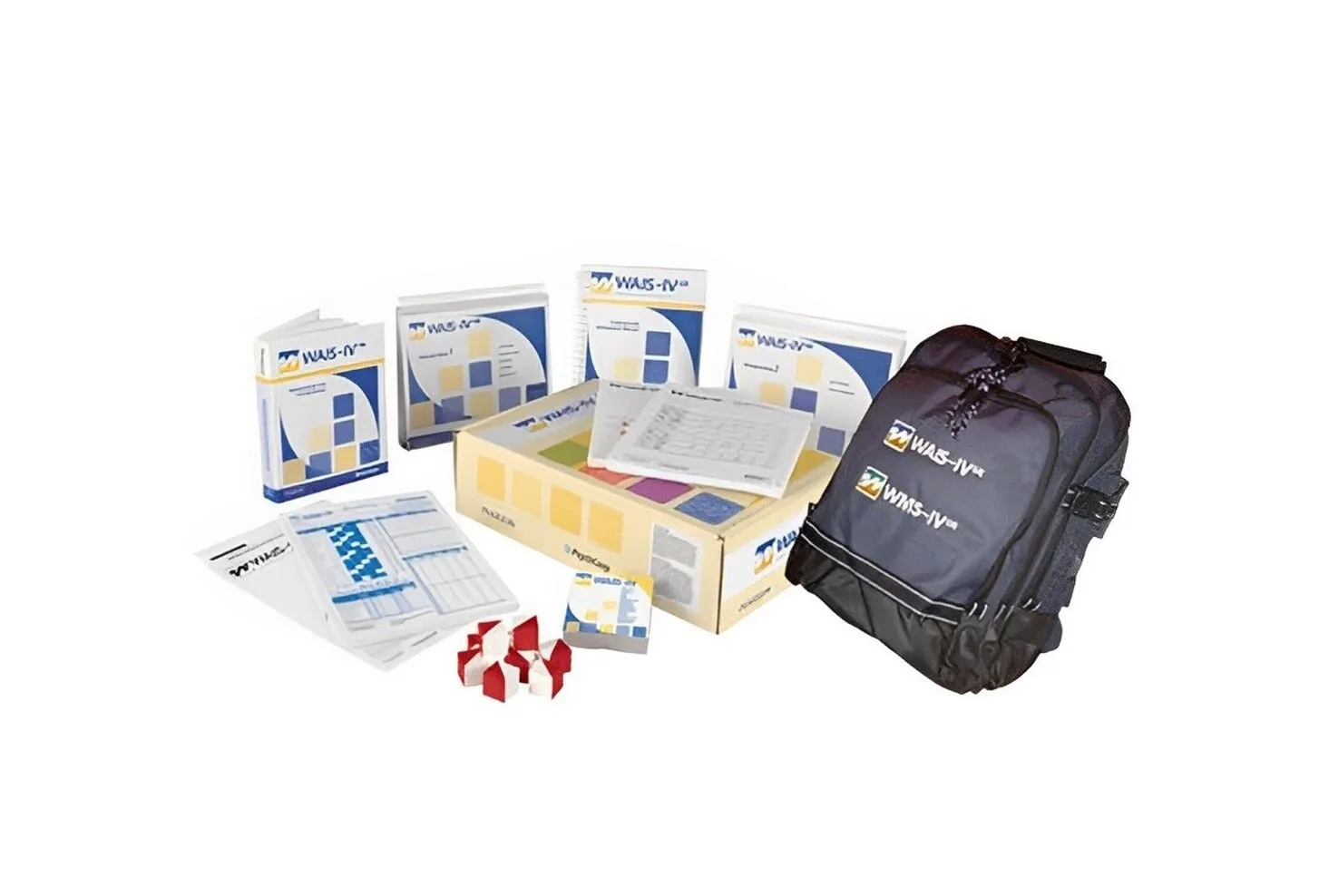
A standardised cognitive assessment, most commonly the WISC-V for school-age children, is administered to measure the child's general intellectual functioning across key domains including verbal comprehension, fluid reasoning, working memory, and processing speed. This provides the cognitive baseline against which academic achievement is compared. For an SLD diagnosis, the DSM-5 requires that the learning difficulties are not better explained by intellectual disability, meaning that cognitive testing plays an essential role in ruling out alternative explanations.
Academic Achievement Testing
Standardised measures of academic achievement are administered to objectively document the child's current level of functioning in the areas of reading, writing, and mathematics. In Australia, the most commonly used tool is the WIAT-III A&NZ (Wechsler Individual Achievement Test, Third Edition), which provides age- and grade-referenced scores across multiple academic domains. The results of the achievement testing are compared against both the child's age-matched normative group and their own cognitive profile to identify specific areas of difficulty.
Supplementary and Specialist Measures
Depending on the referral question and the child's presentation, additional measures may be included. These might include phonological processing assessments, rapid naming tasks, reading fluency probes, or working memory measures beyond those captured in the cognitive battery. Where there are concerns about co-occurring conditions such as ADHD or language disorder, relevant rating scales or specialist referrals may be recommended.
Behavioural and Emotional Rating Scales
Many children with SLD develop secondary difficulties including anxiety, low self-esteem, school avoidance, or emotional dysregulation as a result of years of unexplained struggle. Behavioural and emotional rating scales completed by parents and teachers help identify whether these secondary concerns are present and warrant attention alongside the learning difficulties.
What Happens After an SLD Assessment?
Once the assessment is complete, the psychologist scores and integrates all of the data and prepares a comprehensive written report. The report documents the assessment findings in full, provides a diagnostic formulation, and outlines a set of specific, practical recommendations tailored to the child's profile.
A feedback session is then held with parents to walk through the findings in plain language, explain what the diagnosis means, and discuss next steps. Where appropriate, the psychologist may speak directly with the child's school or provide a school-focused summary to facilitate implementation of the recommended supports.
Common recommendations following an SLD assessment include school-based accommodations such as extended time, use of assistive technology, access to a reader or scribe, modified assessment formats, referral for specialist literacy or numeracy intervention, strategies for parents to use at home to support learning, and where relevant, referral for psychological support to address secondary emotional difficulties.
How Long Does the SLD Assessment Process Take?
A comprehensive SLD assessment typically involves one to two assessment sessions with the child, each lasting approximately two hours. Following the sessions, the psychologist requires time to score and interpret the results and prepare the written report. The full process from initial appointment to report delivery generally takes four to six weeks, though this can vary depending on scheduling availability and the complexity of the presentation.
What Age Can Children Be Assessed for SLD?
SLD assessments are most commonly conducted from around age seven or eight onwards, as children need sufficient educational exposure for academic skill deficits to be reliably identified and documented. However, assessment can occur at any point during the school years, and many children are not identified until later primary or secondary school. It is never too late for a diagnosis to be helpful, as formal documentation of SLD supports access to adjustments and accommodations at every level of education.
Book an SLD Assessment at Mindstate Psychology
At Mindstate Psychology, our psychologists conduct comprehensive SLD assessments for children across our Perth locations. If you are concerned about your child's learning and want to understand what is driving their difficulties, we are here to guide you through the assessment process with care and clarity. Contact us today to discuss your child's needs and find out how we can help.















.avif)
.avif)


.avif)